
 The traditional kind of Hula called Kahiko was performed before
Western civilization influences and was developed by the Polynesian people that first
inhabited Hawaii. The chant or song that acts as the accompaniment to the Hula dancers is called the mele. The nature of the dance, chants and the music are to respect their gods, and touch with their surroundings, their
spirits, and with the higher beings that guide and protect them. The different hand movements and the way they move their bodies have different meanings.
 The arrival of protestant missionaries in Hawaii at around
1820 labelled Hula as the “heathen dance,” and was banned. It wasn’t until 1874, when King
David Kalakaua came to reign, that Hula dancers were once again welcomed publicly. Throughout the years, the Hula has seen drastic changes because
of the height of tourism. Hula
is done today largely for entertainment reasons and Hula dancers themselves have become
an icon, being staples in any Hollywood movies that are set in Hawaii.Now a
days you can get dancing lessons from authentic Hula dancers from
Hawaii. But they get taught a different version, while the ancient traditional version is being saved
by small circles of older practitioners.
Captain James Cook observed Tahitians canoe and body surfing in 1777,
the year before he arrived in Hawaii, but the Hawaiians earned the
greatest renown as surfers. Hawaiian chants as far back as the 15th
century about He’e nalu, which means “wave surfer” or “wave slider,” it was popular with all ages and sexes. Surfing was never considered frivolous by the ancient
Hawaiians they saw it as a ceremonial communion with the ocean and even wagered their most important properties on contests, betting everything from pigs and poultry to canoes and their lives.
Boards were made from koa, wiliwili, or ‘ulu, and board types like
the alaia and the ‘olo. The boards were fin less, flat, and difficult to handle due to the size. The excitement peaked in `November
when winter storms brought big surf to the Islands. If seas were calm,
they enlisted a kahuna to pray and chant for surf.
 It might be an Irish
Hawaiian waterman named George Freeth to thank for the modern day surfing. He became enamored by his family’s
surfing roots and began a revival of sorts. He cut down the size of the
traditional Hawaiian boards and reintroduce angling across the wave as opposed to heading straight for shore.
 In 1935, Tom Blake a legendary surfer, decided to put a fin on the bottom of surfboards to help control while riding them. This changed things and since then the boards have gotten smaller and easier to handle.
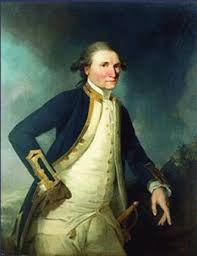 Captain James Cook was the first navigator trying to explore the
Polynesia Islands. The naturalist aboard his ship, Joseph Banks, first mentioned the word tattoo or Tatau” by Samoan and “Tatu” by Tahitian. The tradition of Polynesian tattooing has existed from 2000 years ago and the skill gets handed from father to son,
or master to disciple. Each tattoo artist, or tufuga, learned the craft
over many years of serving as his master’s apprentice.. In
18th century it was strictly banned by the Old Testament but in the early 1980′s, tattooing started to come back. Even after all these years
tools and techniques of Polynesian tattooing have changed very little.
 |
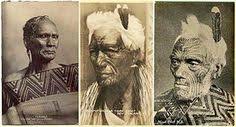
| Maori women |
 Hawaiian and other Polynesian cultures have tribal tattoos that all have meanings are stories behind them. The tattoo style can vary from island to island but the tattoos were simple patterns,
like straight lines, repeating on the body or animals such as turtles and other sea creatures.They used these as a sign of character, position and levels in a
hierarchy. According to the culture
of Maori, all high-ranking people were tattooed, and those who went
without tattoos were seen as people with lowest social level.They believe that a person’s mana or their
spiritual power or life force, is displayed through their tattoo. Almost
every Polynesian got a tattoo in ancient times but the women were not as extensively tattooed as the men. They were limited to the hands, arms, feet, ears
and lips.
 Before getting
tattooed, a person should experience a long period of cleansing. During
this period one would fast for a fixed length of time and abstaining
from sexual intercourse or contact with women. The tattoo practice
generally marked both rites of passage and important eventss in a
person’s life. The addition of tattoos also made a warrior much more
attractive to women.Generally, the head was considered the most sacred part of the body. The full faced tattoo was very
time consuming, and a skilled tattoo craftsman would carefully study a
person’s bone structure before getting his art process start.
 |
| Katsu chicken |
 |
Katsu musubi
|
This Sunday I went to L&L's Hawaiian barbeque to try some of their food. It was really good and I definitely will go back . I got the chicken katsu that comes with two scoops of sticky rice and a scoop of macaroni salad for only $8.55, two manapuas for $4.30 , and a katsu musubi $2.25.
 |
| Manapua |
Side note : 1) Manapua- barbecued pork-filled steamed bun.
2) Musubi- meat of your choice on sticky rice held together by nori dried seaweed.
